
Hasbro has always had a close working relationship with Takara. From the
1970's Takara licensed Hasbro's 12 inch G.I Joe and rebranded them as "Combat
Joe Real Action Figure Series". In 1983 Hasbro in turn licensed the Diaclone
Real & Robo and the Micro Change line from Takara and released them in
1984 as the Transformers. After the success of the Transformers, Takara also
released them in Japan. Takara's and Hasbro's Transformers followed very
similar releases until after 1987 when Takara started releasing very different
Transformers from Hasbro. After Takara's Car Robots were released just as
Hasbro were releasing the Beast Machines in 2000, the tide turned and both
companies started working collaboratively to create a consistent Transformers
series. Starting in 2002 Transformers Armada / Micron Densetsu was released
and the following year in 2003, both the Binaltech and Masterpiece series
debuted.
The Binaltech series was Hasbro's idea to have licensed versions of real world
cars and update the G1 cast in 1:24 scale. The first prototype made was Jazz
and was a Porsche 986. When Takara were requesting permissions from car
manufacturers, Volkswagen refused to grant permission which also meant the new
design for Bumblebee would be scrapped. The second Binaltech which was in
design stage was Tracks, however Chevrolet also refused permission and Tracks
was reworked as a Dodge Viper SRT-10. Mid development however Chevrolet
changed their minds granting permission and the Dodge Viper was changed to
Lambor (Sideswipe).
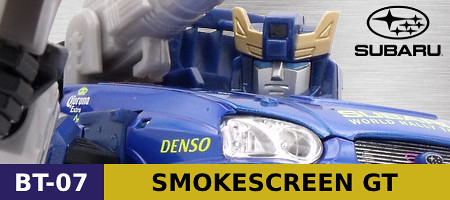
Hasbro intended that Streak (Silverstreak) would be the first release,
however Takara insisted the WRC version of Smokescreen should be released
instead. Another change between Hasbro and Takara that was made were the
materials the toys were made of. Whereas Hasbro used plastic for the
Alternators, Takara opted to use die cast metal. Takara did this to help
their domestic sales with a more premium looking product as well as to tempt
model car enthusiasts.
Lineup (Click on the below images to view the corresponding article which also include translations)





No comments:
Post a Comment